A Small November Ritual: Three Mozart Works for the Early Night
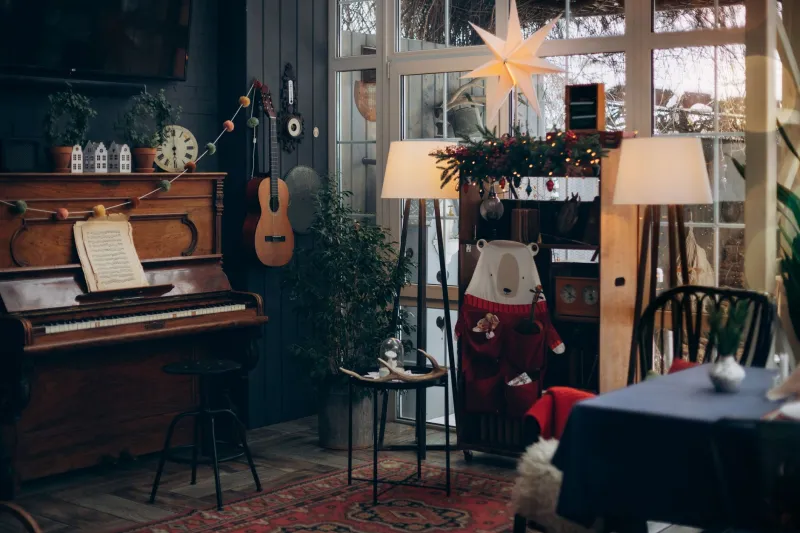
Since daylight saving time ended on November 1, 2026, many listeners across the United States have been adjusting to a quieter kind of shock: the sun is down before the workday is fully over. In much of the country, the early evening now arrives with the kitchen lights already on. That shift can make the hours between work and sleep feel longer, softer, and occasionally aimless. A small Mozart habit can give them a shape.
This is not a survey of Mozart's greatest hits, and it is not a history lesson. It is a seasonal listening plan built around mood and repetition. The goal is to pair three works with three simple rituals, then repeat them often enough that the music becomes part of the evening rather than another item on a screen. You do not need a good stereo, a program note, or a trained ear. You need a chair, a lamp, and ten to twenty minutes.
First Ritual: One Lamp, One Chair, and a Piano Sonata
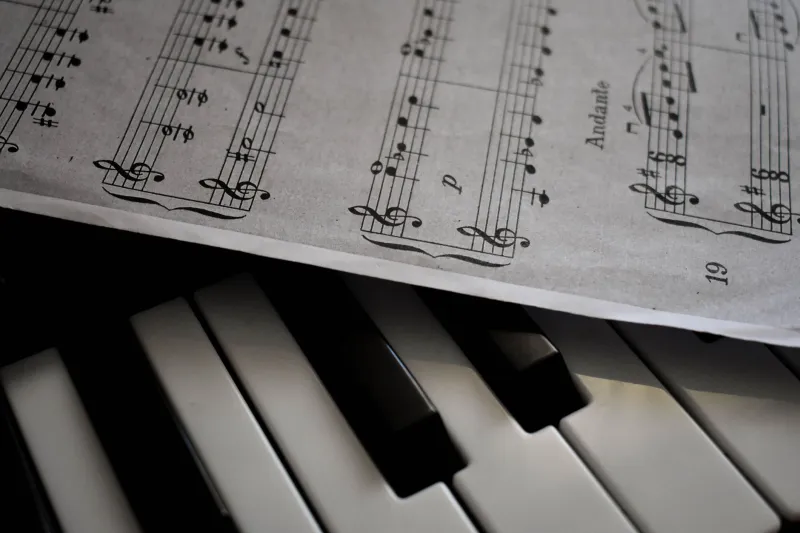
Begin with the Piano Sonata No. 13 in B-flat major, K. 333. If you have only ten minutes, take the second-movement Andante cantabile; if the evening is open, let the first movement unfold as well. The ritual is simple: turn on one lamp, put your phone in another room, and sit without a task in your hands. Let the sonata be the only thing happening.
K. 333 is sociable music, but it is not noisy. It has the quality of a well-lit room: warm, orderly, and capacious enough for thought. The opening phrases are graceful without being sleepy, and the slow movement has a quiet eloquence that rewards a listener who is not trying to do anything else. This is Mozart for the moment when the working day has ended but the evening has not yet decided what it wants to be.
Listen for the return of the opening theme. In a good performance, it does not feel like a reset; it feels like a homecoming that has been changed by the journey. A pianist with a clear sense of character, such as Orli Shaham, can make those returns sound like events rather than repetitions. The point is not to analyze the sonata. The point is to notice that you are listening.
Second Ritual: The Kitchen Table and an Opera Aria
When dinner is finished and the dishes can wait, play 'Deh vieni, non tardar' from Le nozze di Figaro, K. 492. Susanna sings it in a garden at night, and the aria carries both invitation and concealment: it is a love song, but it is also a performance within a performance. That double quality makes it ideal for the early night, when the day's public face is finally off and the private one has not fully arrived.
The ritual here is domestic. Make tea. Sit at the kitchen table. Let the aria last for its few minutes without turning it into background music. The orchestral introduction is gentle, and the vocal line is intimate without being fragile. If you are used to hearing opera as spectacle, this is a useful correction: Mozart can make a single voice feel like the whole room.
You might follow the text if you know it, or you might simply follow the shape of the phrases. Notice how the music seems to pause and then continue, as if the singer is deciding what to reveal. That hesitation is part of the aria's drama. In November, when the dark comes early, a little drama at the kitchen table can be a pleasure rather than an intrusion.
Third Ritual: The Last Ten Minutes Before Sleep
Close the evening with the Adagio from the Piano Concerto No. 23 in A major, K. 488. This is music for dimming the overhead lights, for putting away the last screen, for letting the day end without a hard stop. The movement is serene, but it is not empty. The piano and woodwinds converse across a quiet space, and the effect is less like a lullaby than like a room gradually settling into silence.
The ritual is deliberately small. Turn off the main lights. Leave one low lamp on. Listen to the first minute without doing anything else, then let the rest of the movement accompany the act of getting ready for bed. Do not worry about missing a detail. The adagio rewards partial attention as well as full attention; it is music that can be returned to, and that is part of its value.
If you want a vocal alternative on another night, 'Laudate Dominum' from the Vesperae solennes de confessore, K. 339, can serve a similar purpose. But for a repeatable November plan, the concerto movement is especially practical: it is instrumental, self-contained, and short enough to fit into the last minutes of the day without asking for a commitment.
Building the Habit
The temptation with a listening plan is to turn it into a project. Do not. Keep the same three works for a week. Let them become familiar. A ritual works by repetition, not by novelty. If one work does not fit, drop it and keep the other two. If you miss a night, begin again the next evening without making up for lost time.
Mozart Notes is devoted to Mozart played with clarity and joy, and this plan applies that idea to the season. Clarity here means knowing what you are listening for: a return, a pause, a conversation between instruments. Joy means allowing the music to be a pleasure rather than a duty. As the days grow darker, the early evening does not need to be filled with noise. It can be given a small, repeatable shape: one lamp, one chair, one aria, one adagio. Mozart can do the rest.