Beyond the Borrowed Melody: A Listener’s Route Through Mozart’s K. 467
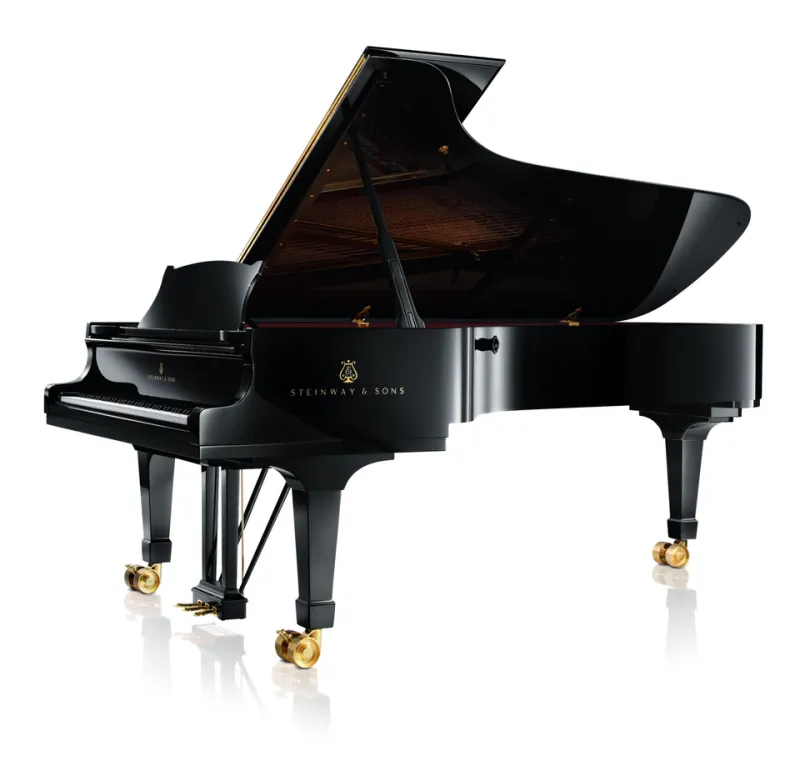
Photo: Steinway & Sons, 10 Rondenbarg, Hamburg D-22525, Germany, eu.steinway.com.Steinway & Sons, 1 Steinway Place, Long Island City, New York 11105, The United States, www.steinway.com., CC BY-SA 3.0, via Wikimedia Commons
There are few melodies in the classical repertory as quietly ubiquitous as the Andante from Mozart’s Piano Concerto No. 21 in C major, K. 467. It has drifted through films, television, commercials, and the ambient background of ordinary life for so long that many listeners recognize it without being able to name it. That is a peculiar kind of fame. It does not always produce familiarity; sometimes it produces a kind of blindness. The tune arrives, the ear says “I know this,” and the rest of the concerto waits politely outside the door.
For Mozart Notes, the task is not to rescue K. 467 from its famous melody but to hear the concerto whole. The Andante is not an accident, nor is it a jewel accidentally dropped into an otherwise ordinary frame. It is one movement among three, and its stillness depends on the grandeur that precedes it and the release that follows. As the 2026 concert season brings Mozart’s concertos back to US halls, this guide proposes a route through K. 467 that begins with the problem of fame and ends with a more complete kind of attention.
The Problem With a Famous Tune
A melody that has been used to sell perfume, accompany a film scene, or fill the silence of a waiting room acquires a second identity. It becomes a signal rather than a piece of music. Listeners may hear the first phrase and mentally file it under “calm” or “elegant” before the harmony has had time to move. The result is not contempt for the music but a subtle impatience with it. The ear waits for the familiar part and treats everything else as approach music.
Mozart wrote K. 467 in 1785, during an extraordinarily productive period for his piano concertos. It belongs to a sequence of works that are not merely vehicles for display but theatrical compositions in their own right. The first movement is expansive, the second is unusually restrained, and the finale is full of rhythmic wit. To hear only the Andante is rather like visiting a house and standing in the front hall. The hallway may be beautiful, but it is not the house.
First Movement: The Grand Entrance That Is Not Merely Grand
The opening Allegro maestoso begins with a march-like theme in the orchestra, confident but not bombastic. Mozart gives the orchestra a long introduction before the piano enters, and that delay matters. The soloist does not simply arrive; the soloist responds. When the piano finally appears, it does not repeat the orchestral material exactly. It reshapes it, softens it, and adds a more private accent.
A useful listening exercise is to follow the bass line through this movement. Mozart’s bass lines are often described as support, but in K. 467 they are active participants. They push the harmony forward, prepare surprises, and give the glittering piano writing a foundation. Listen for the moments when the bass moves unexpectedly beneath a seemingly stable melody. Those small shifts are where the drama lives.
US concertgoers may find it helpful to think of the first movement as a conversation across a large room. The orchestra speaks in public sentences; the piano answers with more intimate ones. The movement is long, but it is not aimless. Its pleasures are structural as well as melodic, and they reward a listener who does not spend the entire time waiting for the Andante.
The Andante: Hearing What Familiarity Has Softened
When the Andante arrives, the temptation is to treat it as a destination. In fact, it is a change of pressure. The movement is built on a quiet, repeating figure in the strings, over which the piano unfolds a melody of great simplicity. The effect is not merely pretty. There is a gentle tension between the accompaniment’s steady pulse and the piano’s lilting phrases. The music seems to float, but it is carefully held in place.
One way to hear the movement anew is to listen to the accompaniment first. Notice how the strings maintain their pattern while the piano takes liberties with phrase shape and timing. Then listen to the wind instruments, which often answer or color the piano’s lines. The famous melody is not a solo aria with a disposable background; it is a texture. Its beauty comes from the way the parts fit together.
A second exercise is to hear the movement’s ending as carefully as its beginning. Mozart does not simply let the tune fade. He shapes a conclusion that gathers the music back into silence. That silence is part of the movement’s meaning, and it prepares the listener for the finale’s return to motion.
Final Movement: The Release of Energy
The Allegro vivace assai is often overlooked in discussions of K. 467, which is a shame. After the Andante’s restraint, the finale feels like a door opening. Its themes are quick, playful, and rhythmically alert. Mozart gives the piano opportunities for brilliance, but he also writes passages of ensemble conversation in which the soloist and orchestra trade ideas rather than simply alternate.
Listen for the contrast between the movement’s surface high spirits and its harmonic details. The music can sound effortlessly cheerful, but the cheer is constructed with great skill. The returns of the main theme are not identical; each one arrives with a slightly different context. This is Mozart’s wit at work, and it is best heard when the listener is not still mentally humming the Andante.
A Practical Route for US Concertgoers
Before attending a performance, try a three-step listening plan. First, listen to the Andante alone, but listen for the accompaniment rather than the melody. Second, listen to the first movement and follow the bass line for five minutes. Third, listen to the entire concerto without pausing. The sequence is simple, but it resets the ear’s priorities.
At the concert hall, resist the urge to applaud the Andante simply because it is recognizable. Let the silence between movements do its work. Notice how the orchestra tunes its energy after the slow movement and how the pianist shapes the transition into the finale. Whether the performance takes place in a major symphony hall or a smaller university series, the same principle applies: the famous tune is an invitation, not the whole event.
The Mozart Notes approach, shaped by Orli Shaham’s emphasis on clarity, joy, and the value of musical risk, is to trust the whole work rather than a single highlight. K. 467 does not need to be protected from its fame. It needs listeners who are willing to move past the borrowed melody and hear the concerto as Mozart built it: public and private, grand and quiet, familiar and still surprising.