The Middle Movement as Destination: Mozart’s K. 488 and the Value of Patience
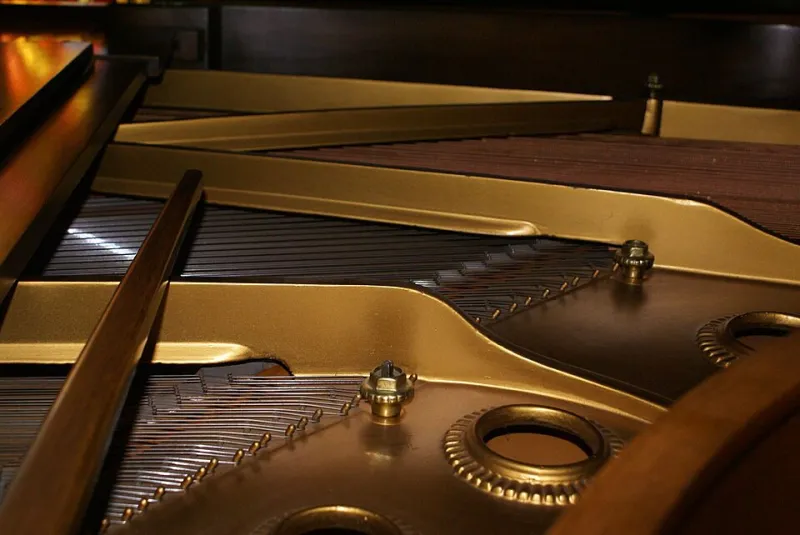
Photo: Valerie Everett from Shelbyville, USA, CC BY-SA 2.0, via Wikimedia Commons
In a listening culture that treats the first thirty seconds as a verdict, the slow movement of a concerto can feel like a delay. Streaming queues invite a skip. Background listening rewards the familiar tune and lets the rest pass. Even in the concert hall, the pressure to applaud between movements can make the middle movement seem like an interruption rather than an arrival. The Adagio of Mozart’s Piano Concerto No. 23 in A major, K. 488, is not an intermission. It is a carefully built destination, and it asks for a different contract between performer and listener: stay, and do not decorate.
The Slow Movement Is Not a Pause
Mozart’s K. 488 is a concerto of unusual color, with clarinets adding a warm, woody shade to the orchestral palette. The second movement, an Adagio in F-sharp minor, turns inward. It does not announce itself with a theatrical gesture. Its lyricism is unhurried, and its emotional weight accumulates through small changes of harmony, phrase length, and instrumental response. To leave early—whether by skipping the track, talking over the music, or mentally moving on to the finale—is to miss the point. The movement is not a rest stop on the way to something more important. It is one of the places where Mozart’s invention is most concentrated.
Clarity and Joy Without Haste
The approach associated with pianist Orli Shaham—clarity and joy—is a useful model here. Clarity does not mean coldness. Joy does not mean speed. In Mozart, clarity means that each line can be heard for what it is: the solo piano, the bass line, the wind colors, the strings. Joy means that the music feels alive rather than dutiful. A performer who resists the urge to ornament every phrase or hurry the transitions lets the Adagio breathe. The result is not a lack of expression. It is expression that trusts the notes to do their work.
The listener can borrow the same discipline. Instead of waiting for the next memorable melody, listen for the quiet architecture: the way a phrase ends, the way the orchestra answers the piano, the way a harmonic shift changes the temperature of the room. These are not technical details for specialists. They are the substance of the movement.
First Listen: Stay With the Surface
Begin without a score, without a comparison, and without a timer. Choose a recording or a live performance and commit to the whole movement. Roughly seven minutes is not a long time, but it is long enough to reveal whether we are actually listening or merely waiting for the next thing.
On this first hearing, notice the surface. Where does the music feel most exposed? Where does the piano seem to speak alone, and where does the orchestra seem to answer? Notice the tempo. Is it merely slow, or is it patient? Notice your own attention. If it drifts, bring it back without judgment. Stay through the final bar and the silence that follows. The silence is part of the movement’s argument.
Second Listen: Follow the Floor
On a second hearing, listen beneath the melody. The bass line in this Adagio moves with quiet purpose, and the harmonic floor often tells a story that the tune only hints at. Follow the lowest voice for a few phrases. Then shift to the inner voices. Then notice how the woodwinds color the harmony. Mozart does not need a large orchestra here to create depth; he needs precise balances and a performer who knows when to recede.
This is where the idea of not leaving early becomes practical. The mind wants to fasten onto the solo line and ignore the accompaniment. The Adagio rewards the opposite habit. Listen as if the orchestra were a partner in a conversation, not a backdrop. The movement’s quiet architecture is built from these exchanges.
Third Listen: Hear the Choices
By the third hearing, listen for interpretation. Compare two performances, or return to the same one with a score if you read music. Notice whether the pianist hurries the ends of phrases or lets them settle. Listen for left-hand voicing, for subtle rubato, for the difference between decoration and revelation. A pianist in the spirit of Orli Shaham’s clarity-and-joy approach does not add more to Mozart. The work is to reveal what is already there.
Ask a few plain questions. Does the tempo allow the harmony to register? Does the soloist sound like a protagonist or a guide? Does the orchestra sound alert? Are the soft passages truly soft, or merely careful? These questions do not require professional training. They require attention.
A Habit for the Remainder of 2026
As November 2026 unfolds, try making one slow movement a destination each week. Put the phone in another room. Let the movement begin without preamble. Do not skip the intro, and do not leave before the last bar. The Adagio of K. 488 is an ideal place to start because it makes its case without force. It does not demand that you feel a certain way. It asks only that you stay long enough to hear how much is happening.
That is the value of patience in Mozart. It is not passivity. It is a form of participation. The Adagio of K. 488 rewards the listener who remains—and, in doing so, it quietly changes what remains with us afterward.